Estimated: 3,000,000+ Dead
Introduction
Area: Bangladesh (formerly East Pakistan)
Cause of Death: Gun shots, Explosions, Dismembering, Torture, Rape & Being Burned Alive
Responsible: Pakistan Government, Muslim League & Other Islamist Groups, Bangladeshi Extremist Muslim Groups, American Sponsors
Death Count: 3,000,000+
Time Period: 1971
Dharmic Faiths: Hindus & Buddhists
Many are familiar with modern day Bangladesh and the war that forged it's creation, the East Vs West Pakistan War, but was it really a war at all? or just another coordinated attack on the non-muslim population of what was then East Pakistan. Before the war East and West Pakistan, although demographically split were one country. The Bengali people made up the majority of around 75 million of Pakistan, while the 55 million population of West Pakistan were largely Punjabi speakers. East Pakistan also had large Hindu and Buddhist minorities, which were looked upon as second class citizens, even by Bangladeshis.
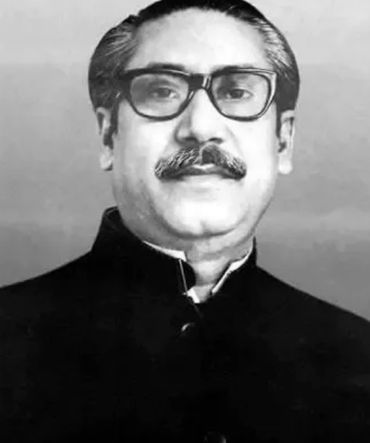
After many years of the majority Bengali people being looked down on by the West Pakistani, Urdu speaking Supremacists, Bangladeshi's decided to do something about it. Nationalist movements were born in East Pakistan that wanted self determination and put forward their leader 'Sheikh Mujibur Rehman', who went on to secure a majority in the 1970 Pakistan election. West Pakistan was furious and although it initially appeared to enter into negotiations, it was secretly planning to launch two major strikes on East Pakistan, Operation Blitz in Nov 1970 and Operation Searchlight in March 1971.
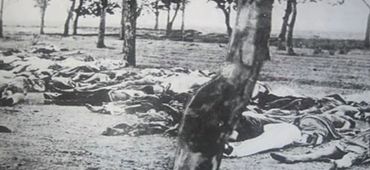
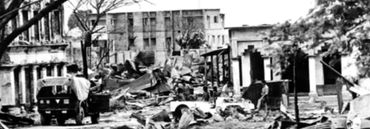
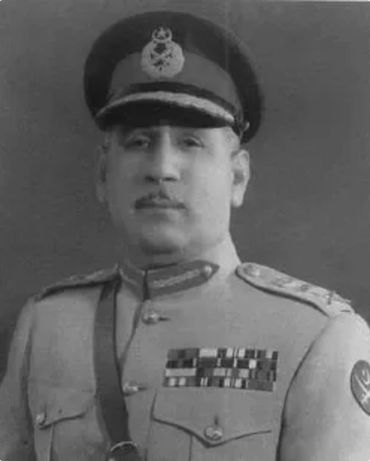
They arrested Rehman, never to be seen again and sent over General Harry Tikka Khan, appropriately titled 'The Butcher of Bengal'. He would oversee Operation Searchlight in which tens of thousands of West Pakistani soldiers entered into East Pakistan and begin their usual modus operandi (kill, torture, rape). During the 9 month war that ensued for so called 'freedom', Pakistani Military and supporting local Militia had butchered anywhere up to 3 million people and raped their way through up to 400,000 Bangladeshi women. The Pakistani army along with the support of locals showing it's true colours as bunch of savages executed over 900 teachers, 13 journalists, almost 50 doctors, over 40 lawyers and engineers, writers and artists.

Hindu man being checked if he is uncircumcised. Often resulting in a gunshot to the head.
Dharma's Most Wanted
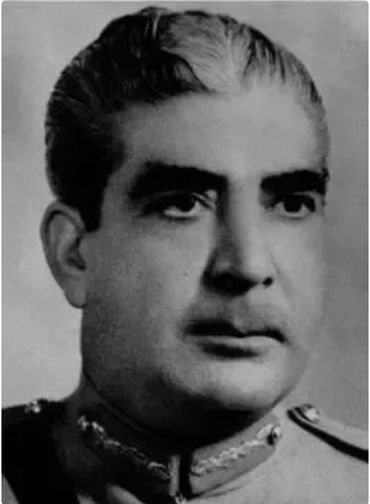
General Yahya Khan
General Yahya Khan
General Yahya Khan

"Kill three million of them, and the rest will eat out of our hands." opting for the Adolf style moustache
Harry Tikka Khan
General Yahya Khan
General Yahya Khan
He's not called 'The Butcher of Bengal' for no reason, what's with the Hitler style moustache, again?
Key Events
Up to and after War
1952 - Dhaka protest was violently put down, with several protestors being killed
1970 - December saw the Awami league, headed by Sheikh Mujibur Rahman wins a national majority in East Pakistan, in the first elections since the creation of Pakistan
1970 - President Yahya Khan banned the Awami league and implemented martial law in response
1970 - Pakistani Army destroy Ramna Kal Mandir and brutally kill 85 Hindus
1971 - On 22 February 1971, General Yahya Khan is reported to have said of the Bangladeshi people "Kill three million of them, and the rest will eat out of our hands."
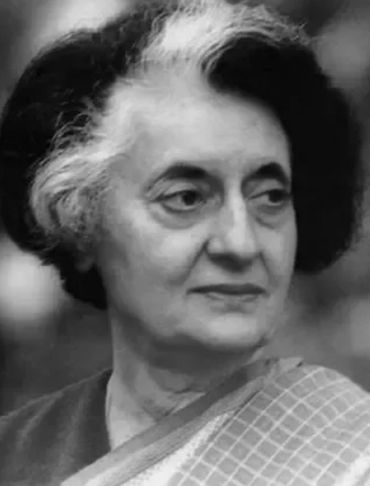
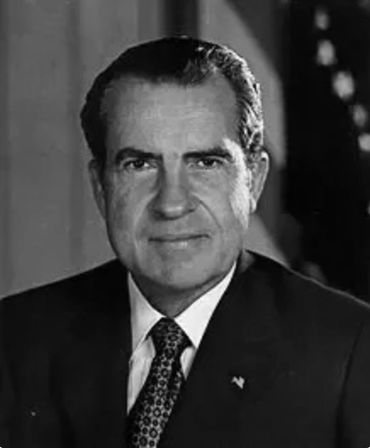
1971 - Indian Prime Minister, Indira Ghandi was not happy with the situation, hearing about both the reports of rape and genocide committed on the Bangladeshi people and the sheer amount of Hindu refugees flooding into India. She tried to get Richard Nixon and Henry Kissinger to talk sense to the butchers that were supported by the US regime, even after a telegram from the US embassy warned of them upcoming calamity, they failed to intervene.
1971 - Far from putting a leash on their mad dogs and butchers, the US sent USS Enterprise battle group along with Britains HMS Eagle battle group) to the Bay of Bengal, luckily India's military pact with Russia, meant Leonid Breznev, Russian Premier, stepped in and ensured the Indian's were free to deal with their internal issues without outside interference.
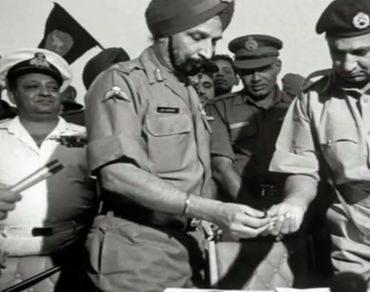
1971 - On the 16th of December, 1971, Pakistan's General Niazi signed the instrument of surrender with LT. General Jagjit Singh Aurora, this was one of the largest surrenders in modern military history. The cowards that were hell bent on a campaign of murder, torture and rape were no match for the Indian army and surrendered within just 13 days.
- 54,154 army personnel
- 1,381 naval personnel
- 833 Air Force personnel
- 22,000 paramilitary personnel
- Over 8000 local collaborators (known as Razkars)
- In addition civilian officials or family members.
Totalling 90,368 people
1971 - Pakistan immediate declares Niazi a traitor, attempting to distance themselves from the massacre they just orchestrated
1972 - India once again shows her Grace by releasing what amounted to a signifiant amount of the Pakistani army, navy and air force back to them in 1972, even after it was known that these people had committed war crimes and genocide.
2019 - Minorities in Bangladesh are still going missing, still being converted, still being raped.

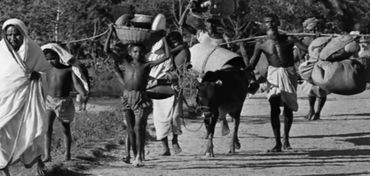
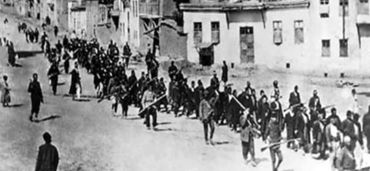
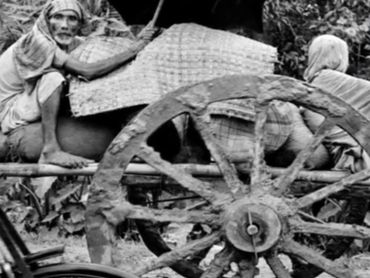
Refugees being marched off
War or ethnic cleansing & genocide?
Was it actually a War against Hindus?
Between 1941 and 2001 the Hindu population of Bangladesh dropped from 28% to around 9%. During the war of 1971, although they only made up less than 20% of the population they made up 80% of the total deaths and 80% of the refugees that fled over the border (estimated 8 to 10 million). On the 1st Nov 1971, The Senate Judiciary Committee Ted Kennedy reported "Hardest hit have been members of the Hindu community who have been robbed of their lands and shops, systematically slaughtered , and in some places, painted with yellow marked 'H'. All of this sanctioned, ordered and implemented under Martial Law from Islamabad" By the end of this bloody battle almost 30 million Bengalis would be internally displaced.
Some observers also noticed that the most barbaric of crimes were committed by local Bengali Muslim militia, spurred on by Racists sentiments of being equated to Monkeys and Chickens. The Pakistanis seemed to demonise the Hindus to a point you could compare them to the Nazi's trying to exterminate the Jews out of existence.
To this day 98% of rapes in Bangladesh are still reported by Hindu Bangladeshi Women, the vested property act has seen up to 40% of Hindu land confiscated. Hindu Mandir's are routinely vandalised and destroyed.
Jamaat-e-Islami later enter Bangladeshi politics in 2001 which has seen an upsurge in fanatical Islamist activities, including violence on minorities and forced conversions. They use a phrase to describe the Bengali Women as "gonimoter maal' meaning public property in Bengali.

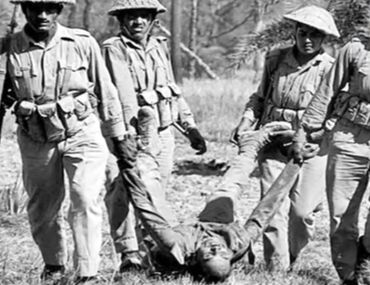
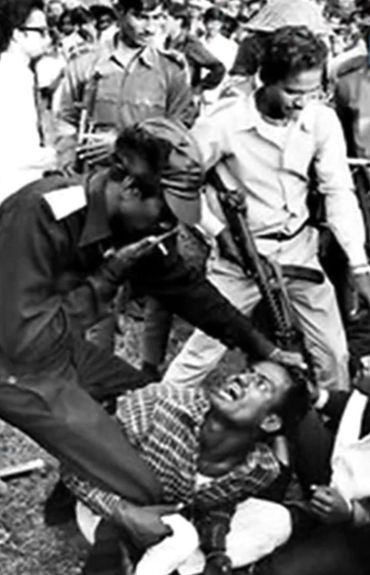
Army Carrying Off A Victim
Photo Gallery